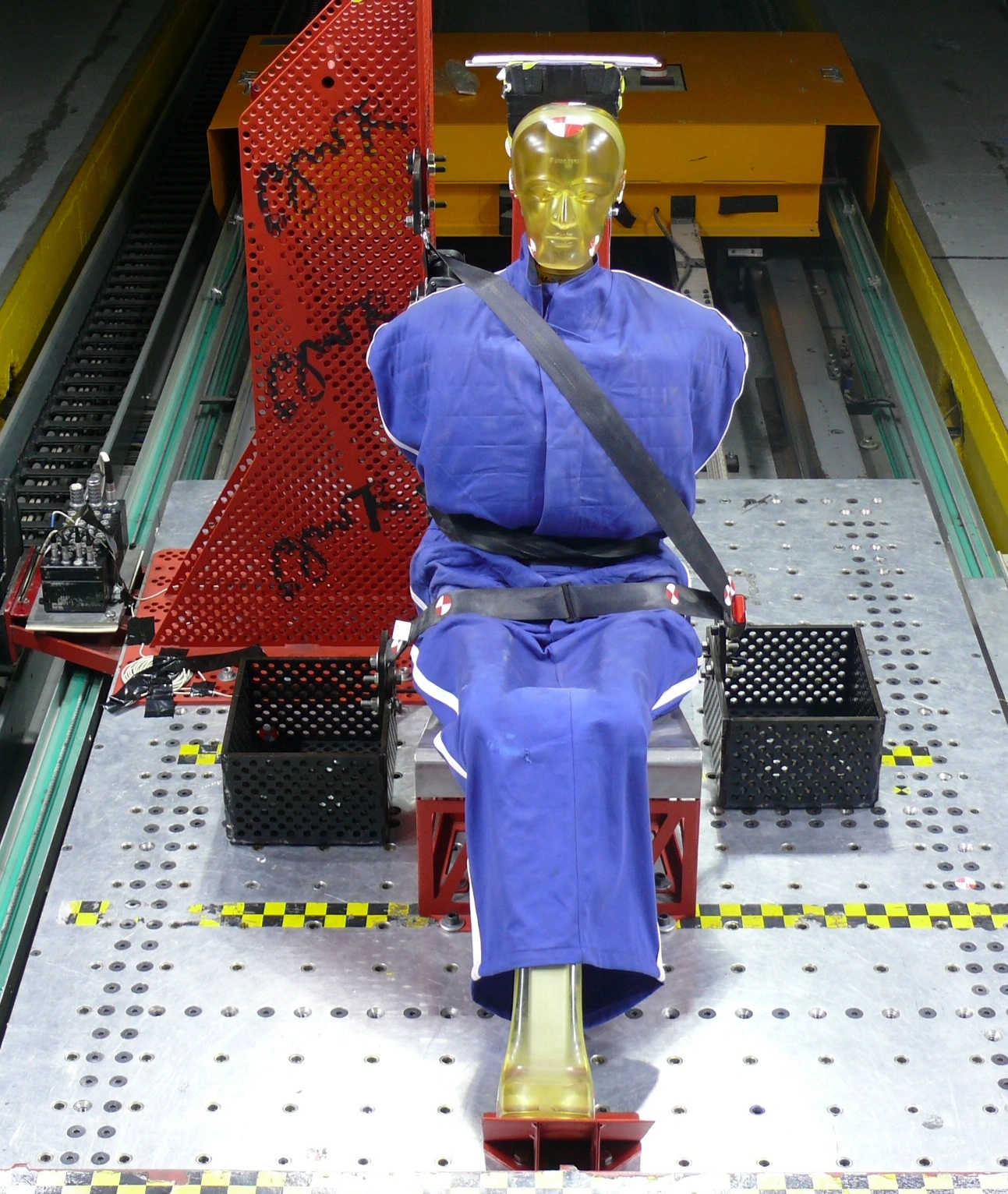
When it comes to vehicle safety, the choice between a racing harness and a standard seat belt can make a significant difference in protection and comfort. Whether you’re a professional racer, an off-road enthusiast, or simply someone looking for better security while driving, understanding the pros and cons of each option is crucial. In this article, we’ll break down the key differences between racing harnesses and standard seat belts to help you decide which one is right for you.
Understanding the basics
Standard seat belts: Everyday safety
A standard seat belt, also known as a 3-point seat belt, is the most common safety restraint system found in passenger vehicles. It consists of a lap belt and a shoulder belt that work together to restrain the occupant in the event of an accident.
Pros:
- Convenience: Easily adjustable and simple to use.
- Legally required: Every passenger vehicle is equipped with them by default.
- Effective for street use: Designed to provide adequate safety in most everyday driving scenarios.
- Works with airbags: Designed to function alongside airbag deployment for maximum safety.
Cons:
- Limited in high-speed crashes: Standard seat belts are effective for low- to moderate-speed collisions but may not provide enough restraint in extreme conditions.
- Less body control: Can allow the occupant’s body to move more during a crash, increasing the risk of injury.
Racing harness: Maximum security for high-speed driving
A racing harness is a multi-point seat belt system commonly used in motorsports and high-performance vehicles. Unlike the 3-point seat belt, racing harnesses typically feature a 4-, 5-, or 6-point design that secures the driver more firmly in the seat.
Pros:
- Enhanced security: A racing harness distributes force across the chest, shoulders, and pelvis, reducing movement during a crash.
- Designed for high-speed impact: Provides better restraint in the event of a rollover or frontal impact at high speeds.
- Prevents “submarining” (sliding under the belt): 5- and 6-point harnesses add a strap between the legs to keep the driver properly positioned.
- Ideal for track racing, drifting, and off-roading: Keeps the driver firmly in place during aggressive maneuvers.
Cons:
- Not practical for daily driving: Racing harnesses can be restrictive and inconvenient for normal road use.
- Requires special mounting and seats: Unlike standard seat belts, a harness must be installed with proper anchor points and sometimes a racing seat.
- May not be street-legal: Many states and countries do not allow racing harnesses in street-registered vehicles unless they meet certain safety standards.
Which one do you need?
The choice between a standard seat belt and a racing harness depends on your driving habits and safety needs.
Choose a standard seat belt if:
- You use your vehicle for daily commuting and normal driving.
- You want a simple, effective, and legally compliant safety restraint.
- You do not participate in high-speed or performance driving.
Choose a racing harness if:
- You race on tracks, engage in drifting, or drive off-road at high speeds.
- You want maximum protection against extreme crashes and rollovers.
- You have a properly equipped vehicle with racing seats and mounting points.
Both standard seat belts and racing harnesses play a vital role in vehicle safety, but they are designed for different environments. While a standard seat belt is sufficient for everyday driving, a racing harness is a must-have for those engaging in high-performance motorsports. If you’re considering upgrading your safety system, make sure to check the regulations in your area and ensure proper installation.
✅ For high-quality seat belts and racing harnesses, visit gsbelts.com to explore our collection of safety solutions tailored to your needs!