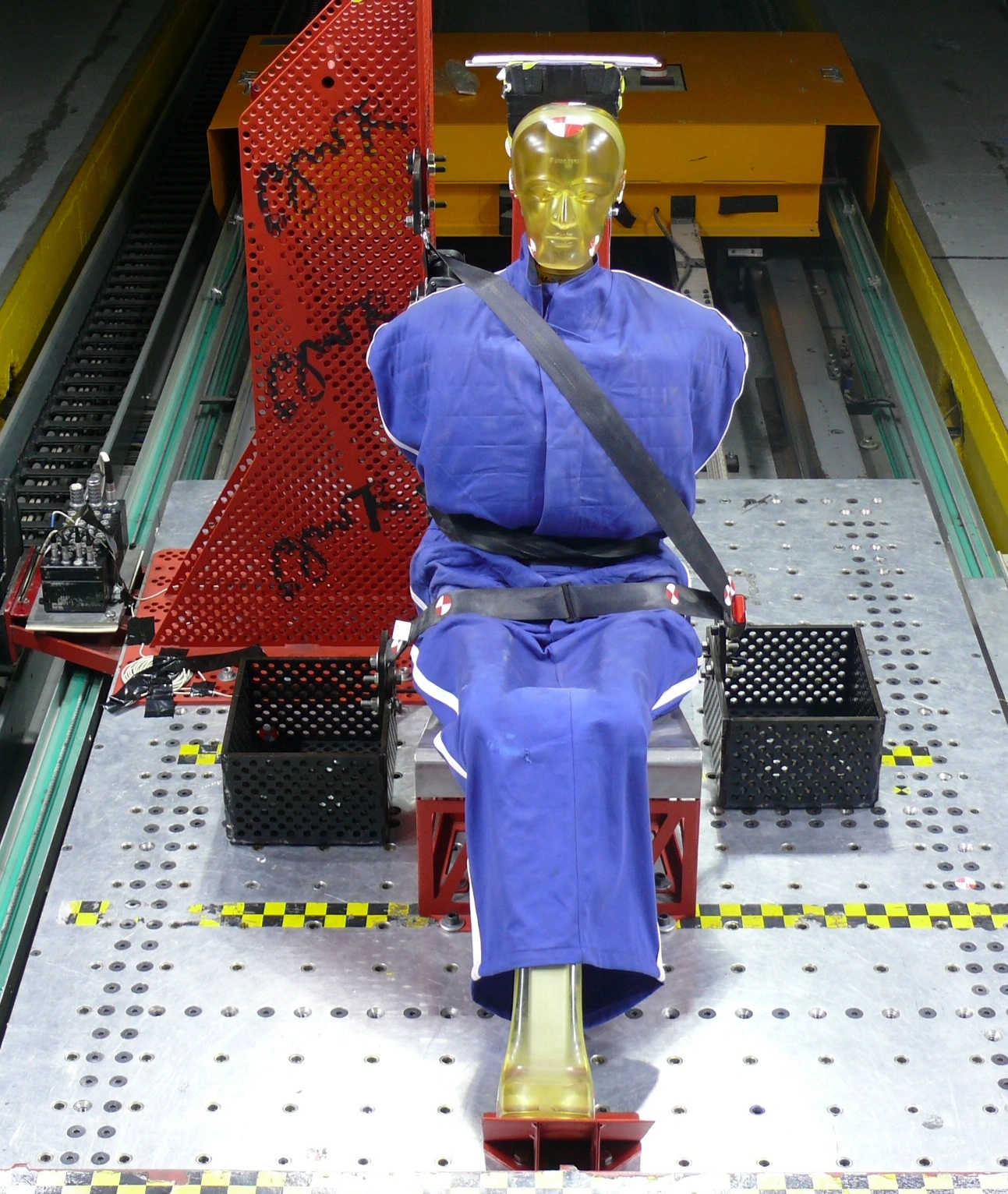
When safety is non-negotiable, your choice of seat belts plays a crucial role — not just in protection, but also in compliance, durability, and design. At GSBelts, we serve both OEM vehicle manufacturers and aftermarket clients, offering seat belt systems tailored to a variety of needs and standards.
This guide explains the key differences between OEM seat belts and aftermarket seat belts, helping you make an informed decision whether you’re building vehicles, restoring classics, or maintaining a fleet.
What are OEM seat belts?
OEM seat belts, or Original Equipment Manufacturer seat belts, are the original components installed during the vehicle’s production. These seat belts are engineered to meet factory specifications and are certified for safety performance by the automaker. They’re ideal when you need a direct replacement part that exactly matches your vehicle’s make, model, and trim.
At GSBelts, we supply high-quality OEM-compliant seat belt systems to manufacturers seeking custom-engineered restraint solutions that meet FMVSS and international safety standards.
What are aftermarket seat belts?
Aftermarket seat belts are produced by third-party manufacturers — like GSBelts — and are designed to replace or enhance factory-installed systems. They are often used in custom builds, retrofits, classic car restorations, and fleet upgrades. Aftermarket belts may be universal or tailored to specific vehicle types and offer more flexibility in design, material, and configuration.
Our aftermarket systems are fully certified and rigorously tested to meet or exceed FMVSS 209/210, ECE R16, and other global compliance standards.
Key differences explained
The main difference between OEM and aftermarket seat belts lies in their design origin and intended use. OEM belts are specifically matched to a vehicle’s factory setup, ensuring precise fitment and integration with original hardware. They’re usually preferred in new vehicles or for warranty-related repairs. However, OEM belts tend to be more expensive, harder to source for older models, and limited in customization options.
Aftermarket seat belts, on the other hand, offer broader compatibility and can often be made to order. They’re especially valuable in situations where design flexibility, budget-friendliness, or availability are key. For example, if you’re outfitting a classic vehicle or need seat belts in custom colors, lengths, or styles — aftermarket is often the better choice. They also tend to be more accessible and cost-effective, with faster lead times than OEM alternatives.
Both types can be equally safe — as long as they are certified and properly installed. At GS Belts, we take pride in delivering aftermarket and OEM-grade belts that meet the same rigorous safety standards.
Which option is right for you?
Choose OEM seat belts if you’re restoring a newer vehicle to factory specifications, replacing components under warranty, or working with an OEM manufacturing program that requires exact match parts.
Choose aftermarket seat belts if you’re building custom vehicles, working with discontinued models, outfitting a large fleet, or looking for more control over the design and material choices.
Trust GSBelts for both OEM and aftermarket solutions
Whether you’re a vehicle manufacturer, automotive shop, or individual builder, GSBelts offers dependable, crash-tested seat belt systems designed to meet today’s strictest safety and performance regulations.
👉 Browse our full line of seat belts here
👉 Contact us for OEM inquiries or custom-built solutions: info@gsbelts.com