FMVSS 209 & 302 Explained: What Vehicle Manufacturers Need to Know
For vehicle manufacturers, seat belts are not just components — they are regulated safety systems subject to strict federal standards. Two of the most important regulations governing seat belt assemblies are FMVSS 209 and FMVSS 302. Understanding how they apply to your vehicle program is essential for compliance, liability protection, and long-term product integrity.
This guide breaks down what these standards cover, who they apply to, and what manufacturers should look for when sourcing compliant seat belt systems.
What Is FMVSS?
FMVSS stands for Federal Motor Vehicle Safety Standards, a set of U.S. regulations issued by the National Highway Traffic Safety Administration (NHTSA). These standards define minimum safety performance requirements for motor vehicles and motor vehicle equipment. For restraint systems, FMVSS 209 and 302 are especially critical.
What Is FMVSS 209?
FMVSS 209 establishes performance requirements for seat belt assemblies used in motor vehicles.
It covers:
-
Webbing strength requirements
-
Elongation limits (how much webbing can stretch under load)
-
Buckle release force
-
Hardware strength
-
Corrosion resistance
-
Assembly performance under static load testing
-
Labeling and identification requirements
Why FMVSS 209 Matters
For OEMs and upfitters, FMVSS 209 ensures that seat belt assemblies:
-
Withstand required tensile loads
-
Maintain structural integrity during impact
-
Perform consistently under stress
-
Meet federally recognized safety benchmarks
Importantly, FMVSS 209 applies to the seat belt assembly itself, not just the vehicle. When sourcing seat belts, manufacturers must verify that assemblies are properly tested and certified to this standard.
What Is FMVSS 302?
While FMVSS 209 focuses on structural performance, FMVSS 302 addresses flammability. This standard specifies burn resistance requirements for materials used in the occupant compartment of motor vehicles, including:
-
Seat belt webbing
-
Interior trim
-
Insulation materials
Why FMVSS 302 Matters
In the event of a vehicle fire, materials must resist rapid flame spread. Seat belt webbing must meet defined burn rate limits to:
-
Reduce fire propagation risk
-
Protect occupants during evacuation
-
Meet federal interior safety standards
For manufacturers, compliance with FMVSS 302 is essential when integrating restraints into vehicles intended for U.S. markets.
Who Must Comply?
FMVSS standards apply to:
-
Passenger vehicle manufacturers
-
Truck and bus manufacturers
-
Specialty vehicle builders
-
Final-stage manufacturers
-
Vehicle alterers and modifiers
Even low-volume or specialty vehicle programs must ensure that installed restraint systems meet applicable standards. Failure to comply can result in:
-
Regulatory penalties
-
Recall exposure
-
Liability risk
-
Contractual compliance issues
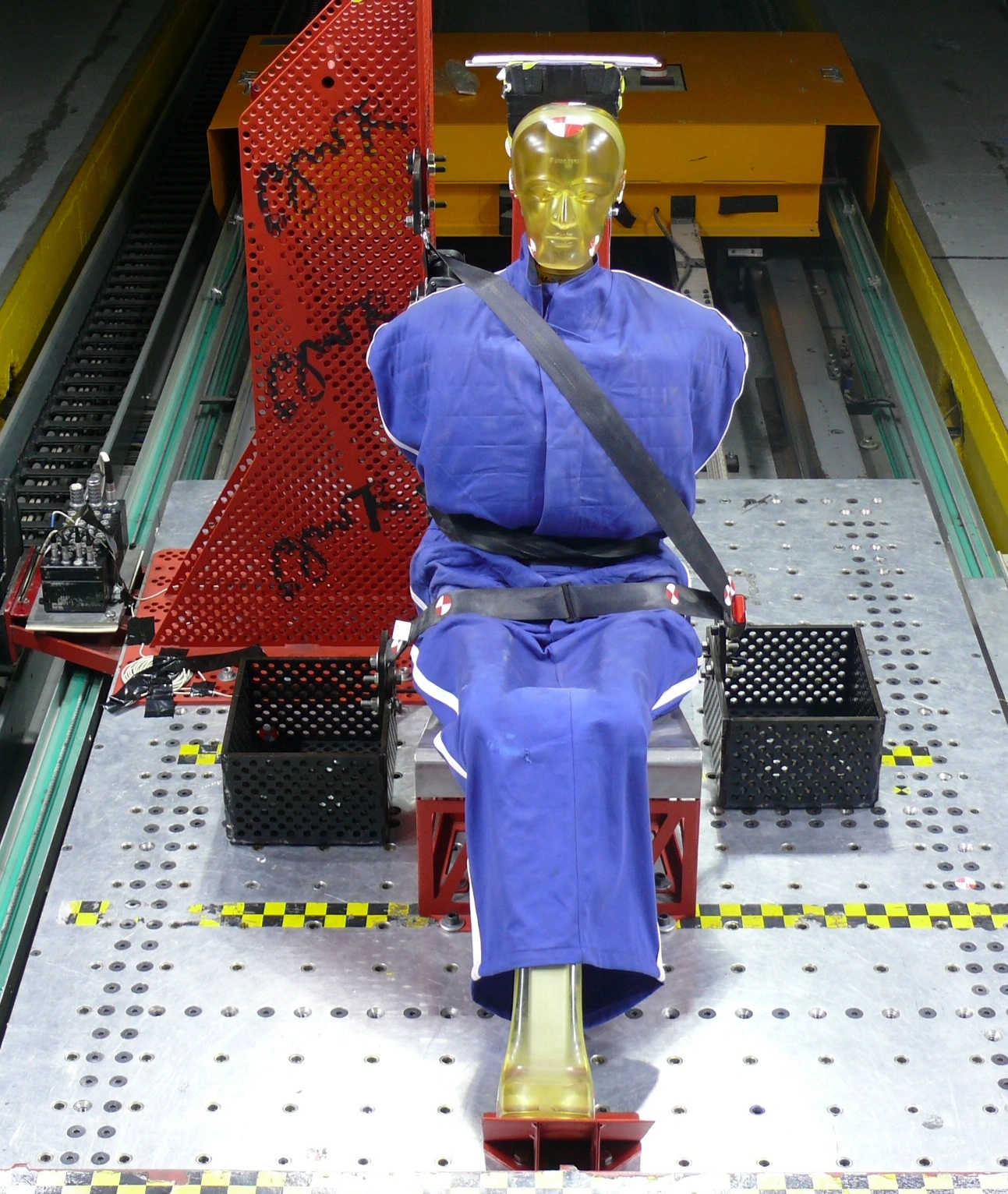
How FMVSS 209 Testing Works
While the full regulation contains detailed procedures, key testing elements include:
Static Load Testing: Seat belt assemblies are subjected to controlled tensile forces to verify strength and elongation limits.
Buckle Release Testing: Buckles must release within specified force ranges to ensure accessibility without accidental disengagement.
Corrosion Resistance Testing: Hardware components are exposed to corrosive environments to ensure durability over time.
Labeling Requirements: Assemblies must include permanent labels identifying manufacturer and compliance information.
Manufacturers should work with suppliers who maintain documented test data and traceability records.
Common Misunderstandings About FMVSS 209 & 302
“If the vehicle is compliant, the seat belt must be compliant.”
Not necessarily. The seat belt assembly itself must independently meet FMVSS 209.
“Aftermarket belts don’t need certification.”
Any seat belt assembly used in applicable motor vehicles must meet federal requirements. Using non-certified restraints introduces significant compliance risk.
“FMVSS 302 only applies to seats.”
Incorrect. It applies to multiple interior materials, including webbing used in restraint systems.
What Manufacturers Should Look for in a Seat Belt Supplier
To reduce compliance risk, manufacturers should verify:
-
Documented FMVSS 209 compliance testing
-
FMVSS 302 flammability testing for webbing
-
Traceability of materials and production batches
-
Consistent quality control processes
-
Experience working with OEM and fleet programs
Suppliers should be able to provide:
-
Compliance documentation (check our certificates.)
-
Engineering support
-
Integration guidance
-
Configuration options for specific vehicle applications
FMVSS Compliance and Specialty Vehicles
Compliance considerations may extend beyond FMVSS 209 and 302, depending on vehicle classification and use case, including:
-
Low-volume production vehicles
Manufacturers should evaluate:
-
Occupant classification
-
Vehicle weight rating
-
On-road vs off-road application
-
Applicable SAE standards (such as SAE J386 for off-road equipment)
A proactive compliance strategy reduces redesign risk and protects long-term program viability.
The Importance of Traceability in Restraint Systems
Traceability ensures that, in the event of an audit or issue, components can be tracked and validated efficiently. In this case, manufacturers should prioritize:
-
Batch traceability
-
Material certifications
-
Production quality audits
-
Consistent documentation
Final Takeaway
FMVSS 209 and 302 establish critical safety benchmarks for seat belt assemblies used in U.S. motor vehicles. For vehicle manufacturers, compliance is not optional — it is foundational. By sourcing properly tested, documented, and engineered restraint systems, manufacturers can:
-
Reduce regulatory risk
-
Improve occupant safety
-
Support long-term product integrity
-
Protect brand reputation
Seat belts are not commodity components. They are engineered safety systems that demand rigorous standards and consistent quality.