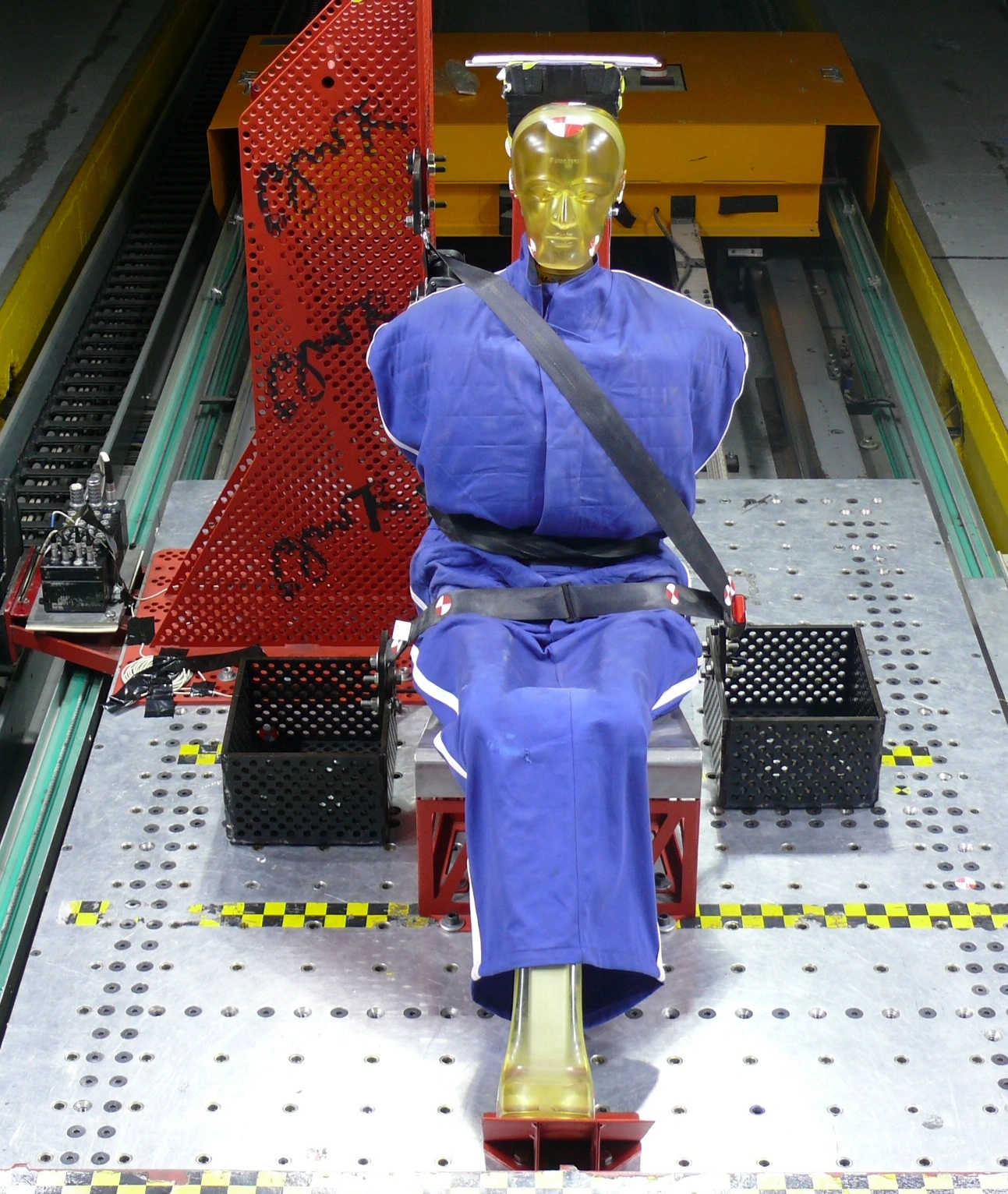
Seat belt regulations in 2025 are evolving to improve road safety and align global vehicle safety standards. Whether you’re a car owner, fleet operator, or auto manufacturer, understanding the updated seat belt laws is essential for staying compliant and protecting lives.
At GSBelts, we specialize in certified, crash-tested seat belts and safety systems that meet the latest legal requirements. Let’s explore the most important seat belt safety updates for 2025.
Why are seat belt regulations being updated?
Wearing a seat belt reduces the risk of fatal injury by up to 50% for front-seat passengers. Despite decades of enforcement, non-compliance still contributes to thousands of preventable deaths annually. In response, governments and safety organizations have introduced new seat belt compliance measures aimed at both drivers and passengers.
Key seat belt law changes in 2025
✅ 1. Rear seat belt laws now include warning systems
As part of the 2025 changes, new vehicles must include seat belt reminder systems for rear passengers. These systems provide both visual and audible alerts when rear seat occupants are not buckled up. This update follows growing evidence that rear-seat passengers without seat belts can cause severe harm to themselves and others in a crash.
Vehicle manufacturers must ensure that all models released in 2025 feature compliant reminder systems to meet UNECE Regulation 16.
✅ 2. Child restraint regulations have tightened
Stricter child car seat rules are in effect across many regions. Children under 135 cm (4’5”) or under 12 years old must use i-Size or ISOFIX-compatible child restraint systems. These must be installed using proper anchor points and secured with certified seat belts.
Non-compliance penalties have increased, especially for ride-share, taxi, and school transport services. Parents and drivers should ensure they’re using child restraint systems approved under current seat belt regulations.
✅ 3. Commercial vehicle seat belt rules are under scrutiny
Fleet operators and logistics companies must now document seat belt inspections and usage across all vehicles. Seat belts must meet FMVSS 209 and 210 or equivalent standards and be in working order at all times — including in off-road or worksite environments.
At GSBelts, we supply ISO certified seat belts designed for heavy-duty vehicles, ensuring you stay ahead of compliance checks and safety audits.
International harmonization of seat belt standards
With increasing cross-border vehicle trade, countries are aligning on global safety benchmarks. The UNECE Regulation No. 16 now mandates crash-tested seat belt performance and compatibility with advanced child restraint systems.
This alignment is especially important for manufacturers exporting vehicles to Europe, the U.S., and Asia. Your products must meet both domestic and international seat belt certification standards.
How to stay compliant in 2025
Here’s a quick checklist to help you stay ahead:
-
✔️ Inspect all seat belts for wear or damage and replace with crash-tested, certified systems.
-
✔️ Install seat belt reminder systems in rear seats (if not factory-equipped).
-
✔️ Use i-Size compliant car seats for children and ensure proper anchoring.
-
✔️ Ensure commercial vehicle belts comply with FMVSS or UNECE standards.
-
✔️ Stay updated on seat belt regulations by country or state, especially if operating across borders.
Trust GSBelts for your safety needs
At GSbelts, we offer a wide range of premium seat belt systems, including solutions for passenger vehicles, commercial fleets, and custom applications. All of our products are crash-tested and compliant with 2025 seat belt safety regulations.
Whether you’re retrofitting a classic car, upgrading a fleet, or building a new vehicle, our team is ready to help you meet every safety standard — and keep your passengers protected.
Explore our seat belt solutions today here.