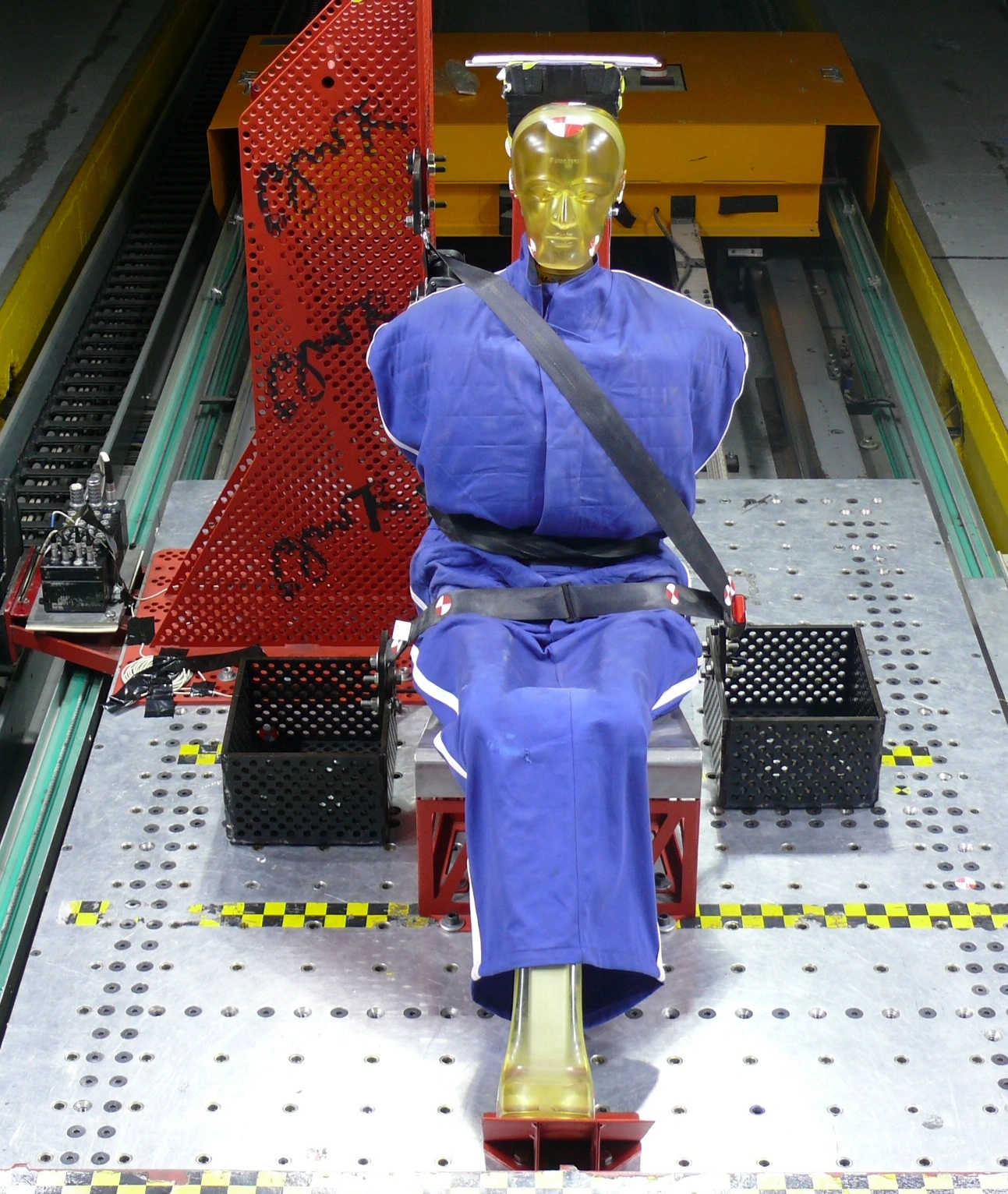
ECE R16, officially known as UN Regulation No. 16, is one of the key technical standards for the approval of seat belts and vehicles equipped with these systems within the UNECE framework. In practice, these regulations are integrated into the European vehicle type-approval system, so compliance has a direct impact on market access and the technical validation of the product.
What is ECE R16 homologation?
The ECE R16 homologation establishes uniform requirements for seat belts, restraint systems, and certain associated vehicle components. Its purpose is to ensure that the system offers reliable performance and a level of compliance with the requirements for use in road vehicles within markets that apply UNECE regulations.
Simply put, when a company talks about a seat belt approved according to ECE R16, it’s referring to a product that must meet defined and verifiable technical requirements, not just a particular appearance or configuration. This distinction is key for manufacturers, body builders, integrators, and technical purchasing departments.
What exactly does ECE R16 regulate?
ECE R16 regulates the seat belt as a system and its functional behavior. It is also important to understand its relationship with other standards within the same regulatory framework. For example, seat belt anchorages are specifically addressed in UN R14, so actual compliance depends on the combination of the belt, anchorage points, seat, geometry, and installation.
This means that simply selecting a “compatible” belt from a catalog is not enough. If the final application changes the geometry, the retractor position, the webbing travel, or the mounting environment, the technical analysis also changes. In OEM projects, technical aftermarket applications, or special vehicles, this point is often decisive.
Why is this important for manufacturers and integrators?
ECE R16 type approval has an impact on three levels simultaneously: regulatory compliance, vehicle homologation feasibility, and technical risk reduction. As part of the UNECE framework that the EU incorporates into its type-approval system, its scope is not merely documentary. It has real consequences for the design, validation, and marketing of the vehicle or component.
It is also a dynamic framework. In 2024, the European Commission already accepted proposals from UNECE to further amend R16 and, moreover, to create new, separate regulations on seat belt installation and seat belt reminders. This evolution reinforces a practical idea: it is not enough to simply say “complies with R16”; it is necessary to review which version applies, what configuration it corresponds to, and under what scope of approval.
Product testing, marking and identification
The logic behind ECE R16 is to demonstrate performance through testing. Official UNECE materials describe this regulation as the framework that defines the requirements and tests that an effective seat belt must meet, and include references to dynamic and static tests, as well as checks on the overall behavior of the seat belt assembly.
On a practical level, one of the most useful elements for identifying an approved product is the approval mark. Official UNECE documentation shows that the seat belt must bear a mark with an “E” in a circle along with the number of the country whose authority granted the approval, and in the case of seat belts, the reference may appear on the tab or on the product label.
What to check before choosing an approved seat belt
Before specifying a belt for a project, it is advisable to review at least these points:
- Vehicle type and application category
- Installation geometry and webbing path
- Retractor position and compatibility
- Buckle type, length, and set configuration
- Compatibility with seat anchors and structure
- Exact scope of applicable homologation
In other words, the component must comply with the regulations, but also with the actual vehicle. That’s where much of the subsequent rework is avoided.
How Global Safety Belts can help
At Global Safety Belts we work with a technical approach focused on safety, integration and customized solutions for automotive, industrial, OEM, aftermarket and special applications.
We can help you define a seat belt solution tailored to your vehicle and the technical requirements of your project:
- System configuration according to application and vehicle architecture
- Component selection and mounting geometry
- Technical support for integration and definition of the set
- Work approach aligned with the requirements of the applicable regulatory environment
If your company is developing a vehicle or needs to define the most suitable seat belt system for your application, we can help you study the most appropriate technical solution for your project.